The Explorers Program
California State University, Northridge
18111 Nordhoff St.Northridge, CA 91330
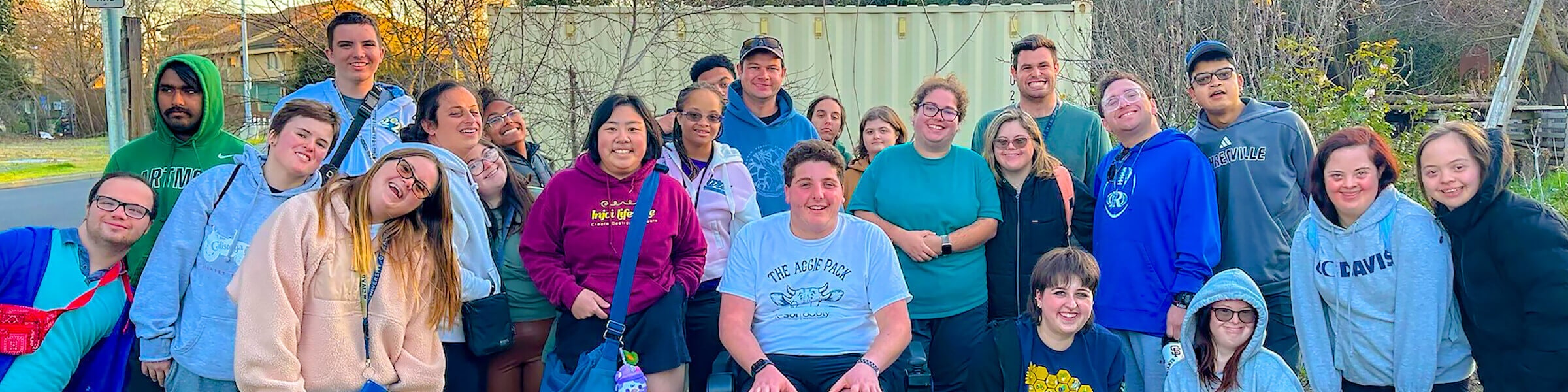
The CSUN Explorers Program is an inclusive postsecondary education program for young adults with intellectual and developmental disabilities who want to experience college, pursue goals, and grow in independence. Founded in 2019 by Dr. Beth Lasky, it gives students access to undergraduate courses through CSUN’s Open University, full participation in campus life, and opportunities to build academic, social, and career skills. The program follows a 22–26 unit curriculum, typically over two years. Most students take two courses per semester, though pacing can be adjusted to fit individual needs and personal goals
CONTACT INFO
| Program Contact: | Amy Hanreddy |
|---|---|
| Program Contact Email: | amy.n.hanreddy@csun.edu |
| Program Phone: | 818-677-2596 |
| Program Website: | www.csun.edu/eisner-education/csun-explorers |
GENERAL
| Public or Private: | Public |
|---|---|
| Type of School: | 4 Year College or University |
| Size of School: | Large (>15,000) |
| Length of Program: | 2 Year |
| Accepts out-of-state students? | No |
| Type of Postsecondary Education Program: | Integrated/Immersive Inclusion → full participation in all aspects of campus with coordinated supports |
| Residential Living Component: | Optional |
| Walkability & Bikeability of College and Surrounding Community: | Somewhat Walkable |
| Public Transportation Available: |
|
| Number of Students in Program: | 8 |
| Number of Students Per Cohort: | 8 |
| When do new cohorts begin? | Fall |
| Types of disabilities who are/may be represented in this program, but are not limited to: |
|
REQUIREMENTS
| Age Requirements: | 18-28 |
|---|---|
| Is a high school diploma required? | No |
| Deadline for Application: | May 2 |
| Criteria for Admission: | Criteria (5.6 MB PDF) |
| Supports that are provided: |
|
| Program serves only students who have exited the K-12 system? | No |
ACCEPTANCE, RETENTION, AND COMPLETION RATES
| Acceptance rate for the most recent fall term: | 90% |
|---|---|
| Retention rate for first year students from the previous academic year to the current one: | 100% |
| Admitted applicants with these skills are commonly seen, but are not prerequisites. Students will have the opportunity to develop them directly during the program. | |
| Minimum requirements for the program |
|
COST
| Average Total Program Cost (Tuition, Student Fees, Housing, Room and Board, Books/Materials, Program Fees): | Program fees $1,110 per 3-unit course: most students take two 3-unit courses per semester ($2220). Typically, four courses per year, totaling $4,440 per year. ($8,880 for 2 years). An additional semester fee of $172.00 for access to the student recreation center is required. Housing is optional and supported by Regional Center ILC services. Fees vary. |
|---|---|
| Is this a federally funded TPSID Program? | No |
| Out of pocket expenses for the program can be funded in the following ways: |
|
| Average Out-of-Pocket Fees: | $9,000.00 |
ACADEMICS
| Approximate percentage of all courses taken by students in the program that are inclusive: | 95% |
|---|---|
| Do all students in this program enroll in at least one inclusive college/university course for credit or audit each quarter/semester? | Yes |
| University courses are for: | Mix of 3 (based on student preference or need) |
| Course Access: |
|
| Credential(s) or certificate(s) students earn upon completing the program: | Current Explorer Completion Certificate |
| Is this credential/certificate approved by the college/university? | No |
| Students in the program have access to the following campus-wide services: |
|
EMPLOYMENT
| Percentage of students in this program have paid work while attending the program: | ~50% |
|---|---|
| Other career development activities include: |
|
| Percentage of students in this program that had paid work after exiting the program: | 75% |
| Resources offered to students: |
|
| Program Partnerships: |
|
| External Supports Partnerships: |
|
HOUSING / MEALS
| Are residential living skills a component of this program? | Yes |
|---|---|
| Housing Options: | Off-campus apartment |
| Are life skills a component of this program? | Yes |
| Housing is provided and arranged for students? | No |
| Are students able to live and work over the summer in the housing? | Yes |
| Are campus meal plans available? | No |
| Are on campus food options available? | Yes |
| Is there a food pantry on campus? | Yes |
EXTRACURRICULAR / CAMPUS LIFE
| Students can participate in student organizations and/or clubs on campus: | Yes |
|---|---|
| Students may participate in the following extracurricular activities: |
|
| Supports available to students in evenings and weekends: |
|